
Hyundai New Tucson TL: The Value of an Everyday SUV Shaped by Trim and Use History
The product appeal of an everyday SUV and used-car check points, based on the 2015~2020 TL series
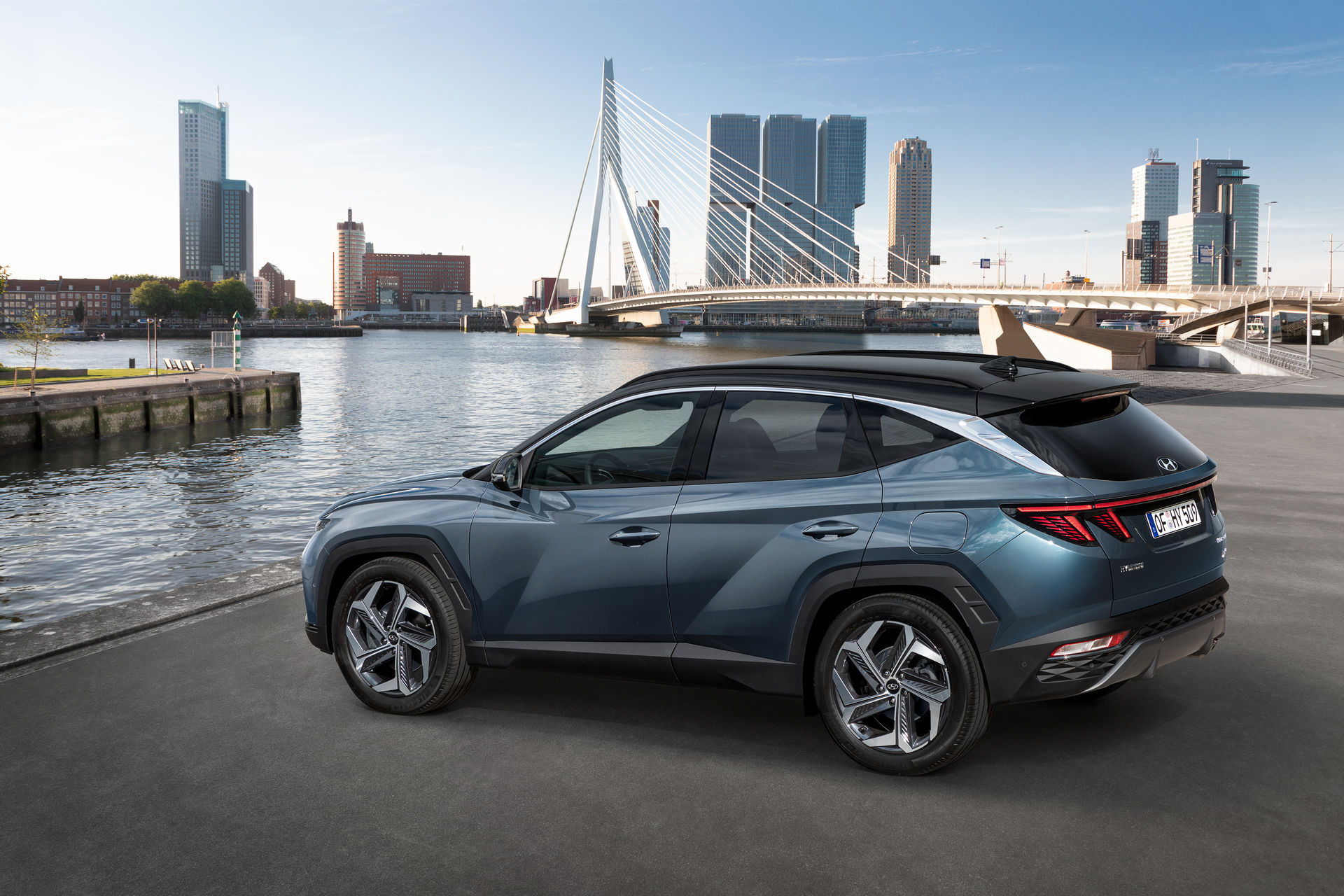
Multiple Characters Within the Tucson Name
The Hyundai New Tucson TL is the central model of the Tucson lineup that ran from 2015 to 2020. Its body size is not burdensome, while the cabin and cargo space are close to sufficient for handling both family and everyday use. So when looking at this vehicle, it is better to first distinguish what engine, drivetrain, and equipment configuration it has, rather than simply summing it up as a “small SUV” or a “safe-choice SUV.”
The strength of the New Tucson TL is not that one particular feature stands out. Its design has clear lines, as expected of a Hyundai SUV of the period, the cabin offers a wide field of view and relatively easy-to-use controls, and the differences in convenience equipment can be quite large depending on trim. 1.6 turbo gasoline, 1.7 diesel, and 2.0 diesel series coexist, and combinations of front-wheel drive and all-wheel drive, as well as 6-speed, 7-speed, and 8-speed transmissions, vary by model year and specification. Even under the same Tucson name, the actual character can read quite differently.
The Design Is Strong, and the Use Case Is Practical
The exterior of the New Tucson TL is closer to a slightly sharper urban SUV than a soft family-oriented SUV. The clear front-end graphics and the volume along the side of the body leave a relatively distinct impression even as time passes. This kind of design can create differing preferences, but it also has advantages when viewed as a used car. Small exterior damage, wheel condition, and signs of use on the lower moldings tend to show the overall impression relatively clearly.
SUVs are a vehicle type whose use histories can vary widely. A vehicle used mainly for city commuting, one used often for long-distance travel, one used as a family vehicle, and one that frequently carried cargo will leave different traces. When looking at a New Tucson TL, it is better to examine differences in paint color, scratches on the bumper and lower sections, wheel damage, and the direction of tire wear together. Even vehicles that look similar in photos can differ in their actual use environment in these areas.
In the Interior, Trim Differences Translate Into Perceived Value
The interior’s strengths are its broad visibility and simple controls. With good usability of the second-row space and cargo area relative to the body size, it reads as a practical option for users who want to handle commuting and family travel with one vehicle. However, satisfaction can vary greatly depending on trim and optional equipment. Even vehicles from the same model year can differ in perceived value depending on how far the navigation, climate control system, seat functions, driver assistance equipment, and power convenience features are included.
When viewing it as a used car, it is important to actually match the interior equipment one by one. For the screen layout, climate control panel, seat heating and ventilation functions, rearview camera, parking assistance equipment, and driver assistance functions, it is better to check the actual configuration and operating condition in the vehicle rather than judging only from the sales description. Especially if the vehicle was used for family purposes, wear on the second-row seats, trunk floor, door trims, and interior switches should also be checked. An interior looking clean and the equipment operating normally in coordination are different matters.
The Powertrain Should Be Read by Separating Model Year and Combination
The New Tucson TL’s powertrain configuration is not simple. The 1.6 turbo gasoline can be approached as having a relatively light everyday driving character, while the 1.7 diesel and 2.0 diesel are configurations that make it more important to look closely at model year, driving environment, and maintenance records. On top of that, front-wheel drive and all-wheel drive are divided, and transmission combinations also vary by specification. Therefore, this vehicle should not be judged by model year alone; the combination of engine, transmission, and drivetrain should be checked first.
For diesel specifications in particular, it is better to look at the usage pattern as well. The items to check can differ depending on whether the vehicle was repeatedly used mainly for short distances or had a lot of long-distance driving. For gasoline turbo specifications as well, the engine bay’s maintenance condition, signs of oil leaks, coolant condition, transmission response, and tire wear should be viewed together. If it is an all-wheel-drive specification, it is also worth checking the underbody condition, the wear balance across all four tires, and the continuity of maintenance records.
When Viewing It as a Used Car, the Key Is Consistency Rather Than the Description
The New Tucson TL is a vehicle whose trim and equipment configurations are finely divided. Therefore, the actual vehicle configuration is more important than the wording of the sales description. Even with the same model name, perceived value changes depending on wheel size, seat functions, climate control system, driver assistance equipment, and infotainment configuration. It should be checked whether the option names written in the description naturally match the buttons, screen, instrument cluster, and operating condition of the actual vehicle.
Maintenance records should be read in the same way. Oil and fluid replacement intervals, tire replacement flow, brake consumable condition, wear and maintenance traces around the underbody, and the condition of coolant and belts show how the vehicle has been managed. What matters here is not to define the condition with one or two words, but to see whether the records and the traces on the actual vehicle are not out of alignment with each other. The description may be simple, but an actual vehicle is always read through multiple overlapping clues.
Action History and Use Traces Should Be Turned Into Questions
When looking at a used car with some age, it is better to check manufacturer action history by vehicle identification number for applicability and completion records. This is because even for the same model, the items to check can vary depending on production timing and specification. This part is not a perspective of treating the entire model as a problem, but a process of checking what history the individual vehicle you are viewing has gone through.
The same applies to discomfort signals left by owners or repeatedly mentioned usage points. Rather than immediately expanding them into shortcomings of the entire model, it is better to turn them into questions to revisit during the actual vehicle inspection. If they are organized into directly checkable items such as climate control odor and airflow, underbody noise, wear on seats and interior materials, response of electrical equipment, and uneven tire wear, the questions become clearer when viewing the actual vehicle.
Conclusion: The New Tucson TL Becomes Clearer the More You Read the Combination
The Hyundai New Tucson TL is not a vehicle that persuades through one flashy strength. It is closer to a balance of body size, interior usability, powertrain options, and equipment configurations by trim. So even when viewing it as a used car, reading the combination comes before relying on the name value.
To look at this vehicle properly, model year, engine, transmission, drivetrain, trim equipment, and use traces should be matched in sequence. Instead of only checking whether the exterior looks fine, looking together at the operating feel of interior equipment, the underbody and tires, maintenance records, and action history makes the vehicle’s character clearer. The New Tucson TL is an SUV whose strengths and check points become clear at the same time when read in that way.